Elevate Your Displays with Unique Custom Solutions
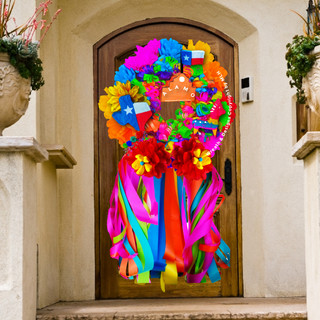
In a world where first impressions matter, the way you present your products or services can make all the difference. Whether you are showcasing artwork, retail items, or even personal collections, unique custom solutions for displays can elevate your presentation and captivate your audience. This blog post will explore various strategies and ideas to enhance your displays, ensuring they stand out and leave a lasting impression.

Understanding the Importance of Custom Displays
Custom displays are not just about aesthetics; they serve a functional purpose as well. Here are some key reasons why investing in unique display solutions is essential:
Attract Attention: A well-designed display can draw the eye and encourage potential customers to engage with your products.
Communicate Brand Identity: Custom displays can reflect your brand's personality, values, and story, helping to create a connection with your audience.
Enhance User Experience: Thoughtfully designed displays can guide customers through their shopping journey, making it easier for them to find what they need.
Types of Custom Display Solutions
When it comes to creating unique displays, the options are virtually limitless. Here are some popular types of custom display solutions to consider:
1. Interactive Displays
Interactive displays engage customers by allowing them to touch, feel, or manipulate the products. This type of display can include:
Touchscreens that provide product information
Augmented reality experiences that allow customers to visualize products in their own space
Hands-on product samples that encourage customers to try before they buy
2. Thematic Displays
Thematic displays create a specific atmosphere or tell a story. They can be particularly effective during holidays or special events. Examples include:
Seasonal displays that showcase holiday-themed products
Story-driven displays that highlight a product's origin or use
Collaborative displays that feature multiple brands or products in a cohesive theme
3. Modular Displays
Modular displays are versatile and can be easily reconfigured to suit different spaces or product lines. They offer flexibility and can adapt to changing needs. Consider:
Adjustable shelving units that can be rearranged for different products
Stackable display components that can be combined in various ways
Portable displays that can be used for events or pop-up shops
4. Eco-Friendly Displays
Sustainability is becoming increasingly important to consumers. Eco-friendly displays can help you appeal to environmentally conscious customers. Options include:
Displays made from recycled or biodegradable materials
Reusable display components that reduce waste
Displays that incorporate plants or natural elements
Designing Your Custom Display
Creating a unique display involves careful planning and design. Here are some steps to guide you through the process:
1. Define Your Goals
Before you start designing, clarify what you want to achieve with your display. Consider:
What message do you want to convey?
Who is your target audience?
What action do you want customers to take?
2. Choose the Right Materials
The materials you select will impact the overall look and feel of your display. Options include:
Wood for a rustic or natural look
Acrylic for a modern and sleek appearance
Fabric for a soft, inviting feel
3. Incorporate Branding Elements
Ensure your display reflects your brand identity. This can include:
Using your brand colors and logo
Incorporating your brand's typography
Telling your brand story through visuals and text
4. Focus on Layout and Flow
The layout of your display should encourage customers to explore. Consider:
Creating clear pathways for customers to navigate
Grouping related products together
Using height and depth to create visual interest
Examples of Successful Custom Displays
To inspire your creativity, here are a few examples of brands that have successfully implemented unique custom display solutions:
1. Apple Store
Apple stores are known for their minimalist design and interactive displays. The use of clean lines, open spaces, and hands-on product experiences encourages customers to engage with their products.
2. IKEA
IKEA's showroom displays are designed to showcase their products in real-life settings. By creating themed rooms, customers can visualize how the products will look in their own homes.
3. Nike
Nike often uses modular displays that can be easily reconfigured for different product launches. Their displays are visually striking and incorporate interactive elements, such as digital screens showcasing athlete stories.
Tips for Maintaining Your Custom Displays
Once you have created your unique displays, it's essential to keep them looking fresh and appealing. Here are some maintenance tips:
Regularly Update Content: Change out products or visuals to keep the display relevant and engaging.
Clean and Repair: Regularly clean your displays and address any wear and tear to maintain a polished appearance.
Gather Feedback: Ask customers for their opinions on your displays and make adjustments based on their feedback.
Conclusion
Investing in unique custom solutions for your displays can significantly enhance your presentation and attract more customers. By understanding the importance of custom displays, exploring various types, and following a thoughtful design process, you can create captivating displays that resonate with your audience. Remember to maintain and update your displays regularly to keep them fresh and engaging.
Now is the time to elevate your displays and make a lasting impression. Start brainstorming ideas for your next custom display solution today!

Comments